
Untitled
H1: Live Casino Lightning Dice: A Practical Walkthrough for Australian Players
Most sessions start with a quick spin-up on mobile, a tap to join a live table, and a glance at the felt before the first roll. The pace is brisk, but the mechanics stay familiar to anyone who has sat through a pass line bet, where rolling a 2, 3, or 12 on the come-out roll is an instant loss for pass line bettors. I have spent years wiring racing feeds and sportsbook operations across Australia, the UK, and Europe, and the same discipline that keeps a data pipeline clean applies here: clear rules, visible odds, and payout information that must be accessible to players on request. If you are already touching the pokies 111 net login for a quick session, the same account habits carry over to live tables without much friction.
How a Live Table Sets Up Before the First Roll
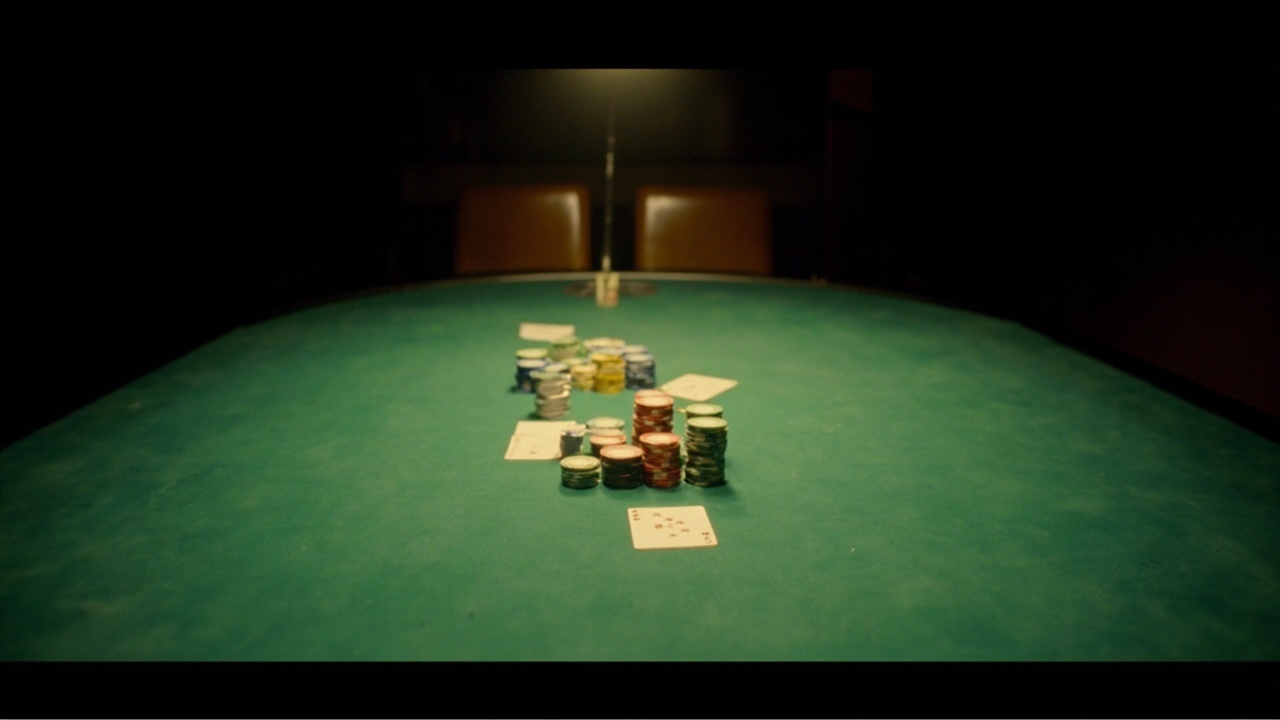
A live dealer shuffle and the camera framing do most of the heavy lifting before a chip ever changes hands. The table layout mirrors a straightforward dice game, with a pass line, a come area, and a side bet panel that flashes the current multiplier for the lightning round. I have watched operators in the UK tighten their contribution rates on bonus balances while Australian rooms keep wagering requirements looser but cap the maximum bet per spin; both approaches work when the terms are written plainly. Eliza Baker, Managing Partner, Federation Betting Insights, notes that players who ask for the full payout sheet before the first round usually avoid the awkward moments when a side bet pays differently from the main line. The dealer’s opening rundown covers the basics, the camera stays on the dice tray, and the chat pane stays quiet enough to read the next move without scrolling.
Rolling Through a Session Without Losing the Plot
Reading the come-out and the lightning multiplier
The first roll sets the tone, and the live croupier calls the result before the board updates. A natural seven or eleven pays the pass line, while a craps number ends that round immediately. The lightning twist arrives when the table flags a random multiplier on the next dice outcome, and the panel shows the exact figure before you push a button. I have seen European rooms run the lightning feature as a separate trigger with its own cap, while Australian tables fold it into the main round with a lower ceiling; both can work, but the difference matters when you are sizing your stake. The key is watching the multiplier display settle before you commit, because the dice do not pause for a second guess. the pokies 111 net login
Sizing your stake and tracking the balance
A flat stake keeps the session readable, and a rising balance can tempt a bigger push after a lucky run. The table limits usually sit in a sensible band, with a minimum that covers the base game and a maximum that keeps the lightning round from blowing up a bankroll in one throw. I treat the balance like a live odds feed: I want to see the number move, I want to know what each result costs, and I want the payout information accessible to players on request without digging through menus. If a room hides the side bet returns behind a help icon that loads slowly, I move on; the maths should be visible, not buried.
That measured setup lets you track your pace without chasing noise, especially when you want to read more about live casino bingo. You can find a closer look at the real table experience in this live casino bingo review. Keeping those guardrails in place means the session stays enjoyable rather than turning into a stress test.
When the table pace suits a quiet arvo
A slower table suits a long afternoon, especially when the feed stays steady and the chat does not drown out the croupier. I have sat through enough London sessions to know that a crowded room can feel like a busy Saturday track, while a Perth afternoon with a flat white in hand runs at a more measured clip. One mate at the barbie shook his head and said, “I reckon the dice round is just a coin toss with better lighting,” and I told him the maths is the same, only the presentation changes. No worries if you prefer a quieter table; the same rules apply, and the lightning round still lands when the system calls it.
Who This Table Fits Best
Players who like a clear sequence of events usually settle in quickly, because the come-out roll, the main bet, and the lightning trigger follow a predictable order. The game suits someone who wants a live feel without a long strategy tree, and it also fits a player who already understands how a bonus balance contributes less than a real balance on the same outcome. Wagering on a promo usually sits around thirty-six times the deposit plus bonus, with a weekly cap on the total amount you can withdraw from bonus-funded wins, and recurring promos tend to refresh on Monday with a smaller contribution rate on side bets. I have seen UK rooms tighten those terms while Australian rooms keep them looser, and the difference shows up when you try to clear a balance before the weekend. If you want a table that reads plainly and pays out on the numbers the board shows, this one fits; if you want a deep strategy game with a dozen decision points, look elsewhere.

A live table works best when you treat it like a short session with a clear stop point, not a marathon that runs past your limit. The dice do what they do, the lightning round adds a multiplier when the system calls it, and the rest is just discipline and a clear view of the payout information on request.